
Paros is the island you choose when you have been to Mykonos and understand what you were actually paying for. Mykonos is a production. The bars are staged, the beaches are managed, the price of a sunbed on Psarou is the price of being seen in the correct setting. Paros is the same sea, the same light, the same Cycladic whitewash. The difference is that nobody here is performing. Nobody underneath is performing either, just wearing a set of silicone covers and nothing else.
Naoussa, on the northern coast, is where the island concentrates its best evenings. The harbour is small, the boats moored close to the taverna tables, the scale intimate in the way that Mykonos Town stopped being twenty years ago. A half-submerged Venetian watchtower stands at the harbour mouth, built by the Sommaripa family in the fifteenth century to watch for pirate ships coming through the Aegean. It is still there, accessible by a short stone path from the quay. It looks like exactly what it is: a ruin that was serious once and is now simply beautiful.
The Harbour at Naoussa
The old harbour at Naoussa is a working port in the morning. Fishing boats come in with the night's catch, which goes to the restaurants directly. By noon the same boats are moored peacefully and the quay is all tablecloths and cold water. The Venetian tower at the entrance casts a short shadow over the closest tables in the early afternoon.
Sigi Ikthios sits on the waterfront with the kind of view that would justify mediocre food. The food is not mediocre. Grilled octopus, fried zucchini flowers, fresh seafood at prices that have not yet caught up with the reputation the restaurant has earned. The portions are larger than you expect. The service has the unhurried quality of a place that knows you are not going anywhere.
For the evening, Pirate Bar has been open since 1983 in one of the lanes behind the harbour, low-lit and close-walled, with cocktails made from local herbs and homemade syrups. It is the kind of bar that does not need a concept because it is already itself. Agosta, on the upper level with the verandah, looks over the water on two sides and is the right choice when the evening calls for somewhere that feels found rather than recommended.
Windmills Above the Port
The windmills on the hill above Naoussa are two hundred years old and were built to mill the wheat grown in the interior of the island. They are not restored. They are not illuminated at night or designated as an experience. They are simply there, on the hill, their sails gone and their stonework as honest as everything else on Paros: white, salt-weathered, without apology.
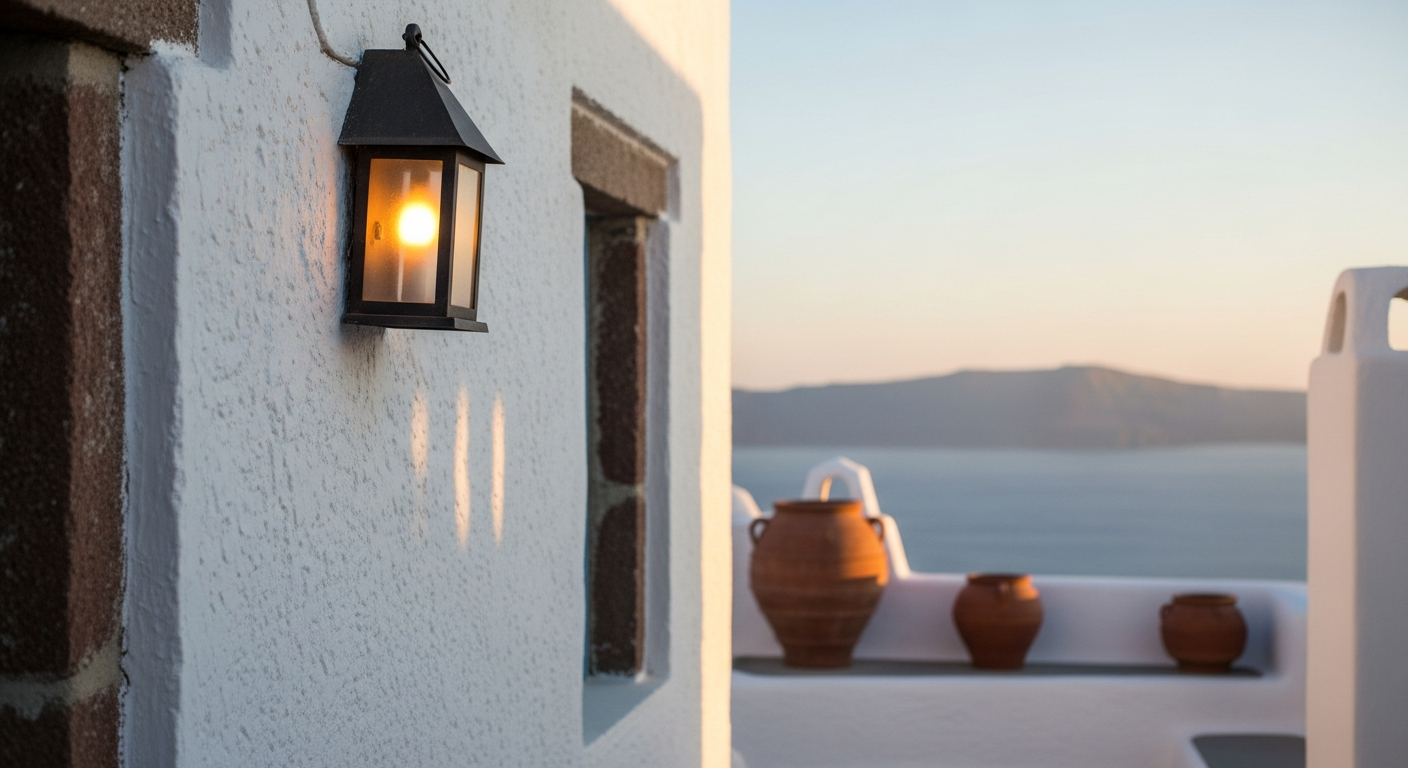
Walk up before sunset. The path is uneven but short. From the top you look over the harbour, the Venetian tower at the mouth, the boats, and north toward the open Aegean. The light at that hour is the famous Cycladic light: horizontal, gold, making the whitewash on the buildings below glow as though lit from within. Photographs taken from this hill are not improvements on the photographs taken from this hill by people in 1975. The light has not changed.
The Wine and the Cheese of Paros
Paros has a winery that most visitors walk past without knowing it. Moraitis has been family-owned for over a hundred years and makes wine from Assyrtiko and Mandilaria, the native Parian grape varieties, alongside rarer cultivars specific to the island. The winery is outside Naoussa, in the agricultural interior where the hills are green and the donkeys still work. Visits require advance booking and take an hour. The tasting is three glasses and the price is twenty euros.
The local cheese, Parian graviera, is sold at small grocery shops in the back streets of Naoussa and at the market in Parikia. It is a hard cheese, aged, with a flavour closer to the French Comté than to the fresh Greek cheeses that appear on tourist menus. Eat it with the Assyrtiko. The combination has the logic of things that grew in the same soil.
Ragoussis, the family bakery in Naoussa, has been making the same sticky honey pastries for three generations: fried dough dusted with crushed walnuts, phyllo parcels tight with almonds and syrup. Buy them in the morning. They do not improve with time and there is no reason to wait.
The Beaches That Are Not on the List
Kolimbithres is on the list. It will be on every list: smooth granite boulders in strange formations above clear shallow water, a bay sheltered from the northern meltemi. Go once, early. The formations are genuinely unusual and the swimming is some of the best in the Cyclades.
The beaches that are not on the list are the ones reached by following the coast road north of Naoussa until the road becomes a track and the track becomes a path. The water is the same. There are no sunbeds. You swim to a rock and sit on it and watch the northern Aegean with nothing between you and the Turkish coast but open sea.
What the Evening Asks For
Naoussa after nine has the rhythm of a place that dresses properly for dinner. Not formally. Not the resort-casual of Mykonos where the dress code is performance. The people at the harbour restaurants are wearing good silk, good linen, things chosen with attention and worn without effort. The tables are close together. The boats are ten metres away. The light from the Venetian tower falls on the water.
A low-back dress or something cut on the bias sits right at these tables. The Aegean breeze carries salt air through the harbour lanes after dark and the evening is long. What evening requires, in a setting where the cut of the dress is the entire conversation, is a base layer that holds without showing: silicone covers, invisible under any fabric weight, good for fifteen or more wears, releasing cleanly when the evening is done. Nothing interrupts the line. Nothing announces itself. For how to travel to a Cycladic island with exactly what you need and nothing more, read the principles of travelling light.
Why Paros Holds
Mykonos requires participation in a story about itself. Paros requires only that you arrive, eat well, swim in the right bay, and return to the harbour in the evening. The Venetian tower was there before the tavernas. The Assyrtiko grew here before anyone thought to write about it. The windmills milled wheat before tourism existed as a category. Paros is an island that was something specific before you arrived and will remain something specific after you leave. That quality is rarer than the light, which is saying something.
Packed beside the linen. Designed to disappear.


