
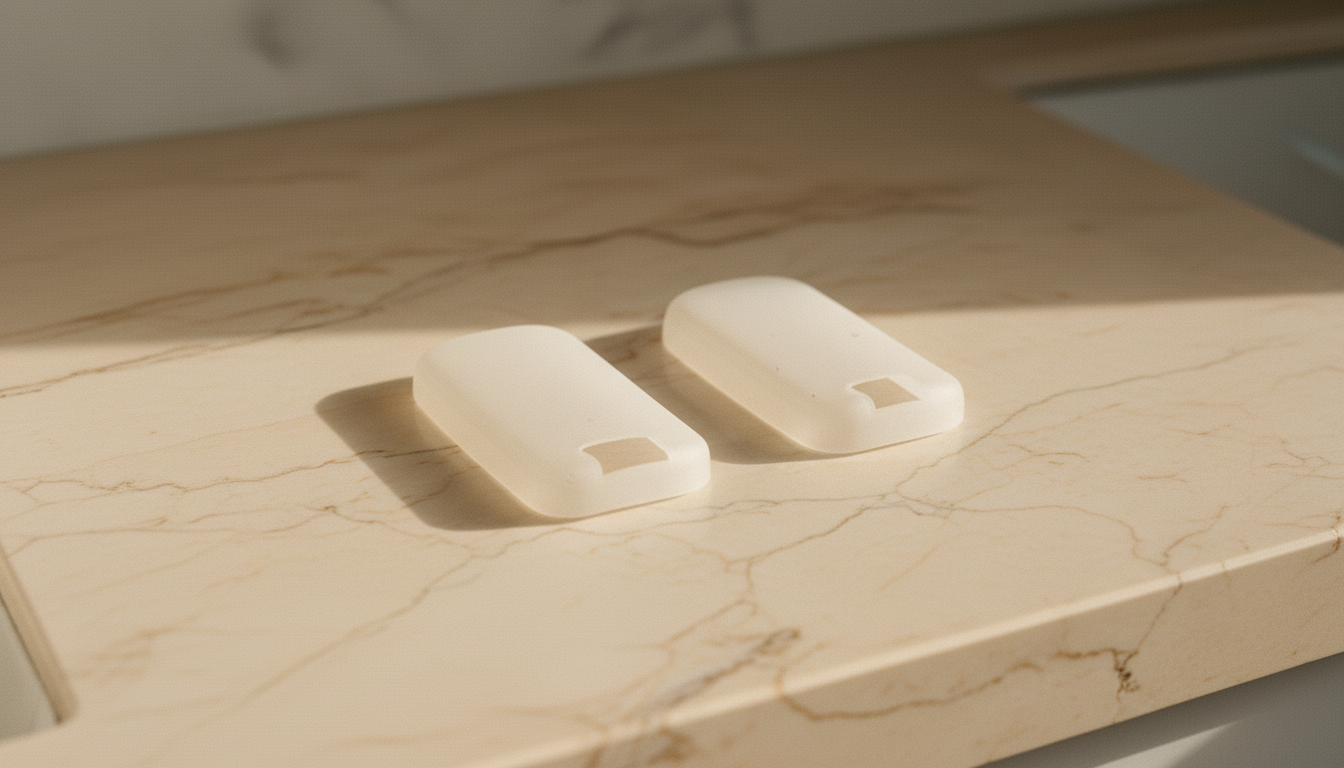
Single-use covers use an adhesive that bonds to skin and weakens the surface with each removal. Reusable medical-grade silicone covers adhere through contact and lift cleanly. At 15 or more wears per pair, the cost per use is a fraction of disposable. The comparison is not close for regular use.
The disposable nipple cover arrived as a problem of convenience. Women performing on stage, working under studio lights, shooting in heat, needed a solution that could be applied quickly, used once, and discarded. That version solves that problem well. For a long shoot where you change garments fifteen times and each application is a single-use event, disposable makes complete sense.
The everyday question is different. And the material is different. And the economics are different. Understanding where the comparison actually lands requires separating three things: the base material, the adhesive, and the cost over time.
The Base Material
Single-use covers are most commonly made from fabric bonded to a foam or paper backing. Some use thin synthetic materials. The construction is optimised for low cost and single application. The material has no requirement to survive cleaning or reapplication. It works once, which is all it needs to do.
Reusable covers use medical-grade silicone. The distinction from cheaper silicone matters for one specific reason: a reusable product must survive repeated cleaning cycles without degrading. The cheaper version retains trace residues from manufacturing that work toward the surface over time. Medical-grade silicone has no such residues. It maintains its properties across extended use, resisting water, mild detergents, and the temperature range of a normal body over a normal day. Where fabric-foam breaks down after one wear, silicone returns to its original shape after each cycle.
The Adhesive
The adhesive in a single-use cover creates a strong initial bond that increases with time and heat. Removal breaks that bond by force, which in practice means pulling the adhesive away from the outermost layer of skin. For one wear on a healthy skin surface, the result is acceptable, if not entirely painless. For repeated use on the same skin surface, the disruption accumulates: micro-tears, inflammation, progressive sensitivity.
Silicone adhesive works differently. Rather than forming a bond, it adheres through physical contact with the texture of the skin. The adhesive layer is a soft material that conforms closely to the surface of the skin without chemically engaging with it. The hold is secure enough to last through heat and moderate perspiration. Removal involves no pulling force because there is no deepening bond to break.
Clinical nursing literature on wound care has a specific term for the damage that conventional adhesives cause with repeated application and removal on the same site. The documented effects include surface stripping and irritant reactions. These are not theoretical risks for occasional users. They are common outcomes for anyone applying and removing pull-type adhesives on the same skin area multiple times per month.
The adhesive in a reusable cover is not consumed by use. It is only contaminated by contact. Cleaning restores the interface. Medical-grade silicone covers from Korea carry a fifteen-wear claim because it is verifiable: the hold at wear fifteen should be comparable to the hold at wear one, for a cover that has been rinsed and dried correctly between uses.
The Cost Over Time
The apparent price advantage of disposable covers inverts quickly for anyone who wears them regularly. A single-use cover still costs its full price each time it is used. A reusable cover spreads its cost across fifteen wears. For anyone wearing covers more than a handful of times per year, the reusable option is less expensive in absolute terms before the end of the first twelve months. One pair used fifteen times also generates a fraction of the waste of fifteen single-use pairs, a consistent secondary advantage.
Where Single-Use Remains the Right Answer
The arguments favour reusable for most uses. The genuine exceptions: a long shoot where covers change multiple times; travel where space constraints make a protective case impractical; and any first use, where testing on a small area before full wear is always the right call. Even a correctly formulated product can provoke a response in someone with a prior sensitisation. First-use testing eliminates this risk before an important event.
What Lifespan Claims Mean
A fifteen-wear claim means the adhesive, properly cleaned and dried between uses, maintains sufficient hold across that number of cycles. The degradation is gradual, not sudden. The adhesive surface will feel less tacky against the back of the hand before it fails during wear. That is the test. Storage matters too. Covers returned to their protective liner after each use last longer than covers left exposed to oils, lotions, or dust. The liner is not packaging. It is the mechanism that extends the rated lifespan.
Reading the Comparison Honestly
Quality reusable covers are more convenient than disposables for most uses. They hold better, release more cleanly, cause less skin disruption, and over any sustained use period cost less. The single-use product retains its legitimate domain: professional applications involving multiple changes, genuine one-time use, and situations without access to proper cleaning.
For regular wear, the choice made once, for the right product, stops being a choice at all. The covers work, they clean, they store, they work again. Understanding what makes a silicone cover worth keeping is connected to where and how it is made. The category that was once a compromise becomes one fewer thing to think about before an evening or a long day in the dress you have been waiting to wear.
We write about getting dressed with intention. One email when it matters.


