
Stromboli erupts every twenty minutes
Not catastrophically. A pulse of orange light from the summit crater, a small plume of grey ash that catches the wind and disperses over the Tyrrhenian Sea. From the terrace of the Osservatorio restaurant on the island's northern slope, you can watch this while eating pasta alla norma and drinking Malvasia. The sensation does not fit into any category you arrived with. You watch it from the terrace with a set of silicone covers underneath whatever you put on for dinner.
This is the Aeolian logic: seven volcanic islands off the northeastern coast of Sicily, each with its own character, its own light, its own relationship to the sea. The archipelago takes its name from Aeolus, the Greek god of the winds. The winds are real. They shape what you can do on any given day and render the ferry schedule aspirational between October and April.
The Islands
Lipari is the hub. The largest island and the most connected, with Liberty Lines hydrofoils from Milazzo on the Sicilian mainland arriving in roughly sixty-five minutes. The old town at Lipari climbs behind the Norman castle and the streets are steep and narrow and the shops sell capers, Malvasia, and ceramics in the same terracotta palette as the volcanic soil. Chef Maurizio at L'Anfora makes a pesto from local capers blended with pistachio, pine nuts, mint, and aged cheese that is entirely unlike the Ligurian version and considerably more interesting.
Salina is the green island. Two volcanic peaks, Monte Fossa delle Felci and Monte dei Porri, give it a topography entirely different from the flat lava platforms of its neighbours. The vineyards on Salina's slopes produce the archipelago's finest Malvasia. The Tenuta Capofaro estate, established in 2001 by the Tasca d'Almerita family on six hectares of thirty-year-old Malvasia delle Lipari vines, makes a version that is amber-gold, honeyed, and floral without being cloying. The Virgona family, across the island, produces both wine and capers in a different register: more mineral, more austere, both products carrying the volcanic soil in their character.
Stromboli has no daytime beach in the conventional sense. The black volcanic sand exists but the swimming is from rocks, directly into deep water. The draw is the volcano. The draw is sufficient.
Panarea is the smallest inhabited island and in July and August the most frequented by people from Milan and Rome who arrive by private hydrofoil. In June and September it is quiet enough to walk the white lanes and the bougainvillea-covered paths without management.
Filicudi, the farthest west of the inhabited islands, has no ATM, no significant nightlife, and one road that circles the upper slope. The descent to the port in the morning, past terraced vineyards and dry-stone walls built from lava blocks, takes twenty minutes on foot. The sea below is a green that exists only in volcanic geology.
Martina Caruso and the Signum
Chef Martina Caruso is the youngest recipient of a Michelin star in Italy and the chef-patron of the Signum restaurant in the village of Malfa, on Salina. The tasting menus at Signum draw seventy percent of their ingredients from the hotel's own kitchen gardens and allotments. Capers harvested on Salina, preserved in the island's sea salt rather than brine. Tomatoes grown in volcanic soil at altitude. Wild herbs: fennel, thyme, caper leaves, found between the lava outcroppings above the vineyards.
The Capofaro estate restaurant, overlooking the vineyard terraces and the sea, is run by Sicilian Executive Chef Gabriele Camiolo. The wine list is correct in a specific way: the bottles come from the vines visible from your table. This does not happen as often as it should.
The Black Sand Question
The beaches of the Aeolian Islands are not the white sand beaches of the tourist brochure. The sand is volcanic basalt: black, or dark grey, or dark rust-red depending on the mineral composition of the particular lava flow that produced it. At Stromboli it is black and glistening. At Rinella on Salina it is grey-black and fine. At Lipari there are stretches of obsidian pebble, smooth and dark, uncomfortable to walk on barefoot but beautiful at the waterline where the tide moves them.
The effect of black sand on skin tone is different from white sand. The contrast is sharper. The light bouncing off the water is not softened by reflection from pale ground. You are more lit, more visible, more defined. Whatever you wear on the volcanic beach should hold up to this scrutiny. Nothing complicated. Nothing that manages or apologises.
The Caper Harvest
If you are on Salina in June, ask at any trattoria whether you can join the morning harvest. The harvesters begin at four in the morning to beat the heat. The caper is the flower bud of the Capparis spinosa plant, harvested before it opens: once open, it is worthless. The Salina variety is picked by hand, sorted by size, and packed in layers of sea salt in terracotta crocks. The salting process takes six to eight weeks. Unlike brine-packed capers available elsewhere, the salt-packed Salina caper retains a floral, almost herbal quality that the brine destroys.
The De Lorenzo family on Salina gives tours of their caper farm, sharing the full process from plant to jar. The fee is nominal. The olive oil and wine that follow the tour are not.
Every first weekend of June, the island runs an annual caper festival. It is small, local, and not designed for tourism. That is the correct description of the best things in the Aeolians.
The Malvasia Hour
The Malvasia delle Lipari wine is sweet but not dessert-sweet. The alcohol is fourteen or fifteen percent and the residual sugar is in balance with the acidity from the volcanic soils. It is a wine for the late afternoon, when the heat has passed its peak and the light on the water has turned amber.
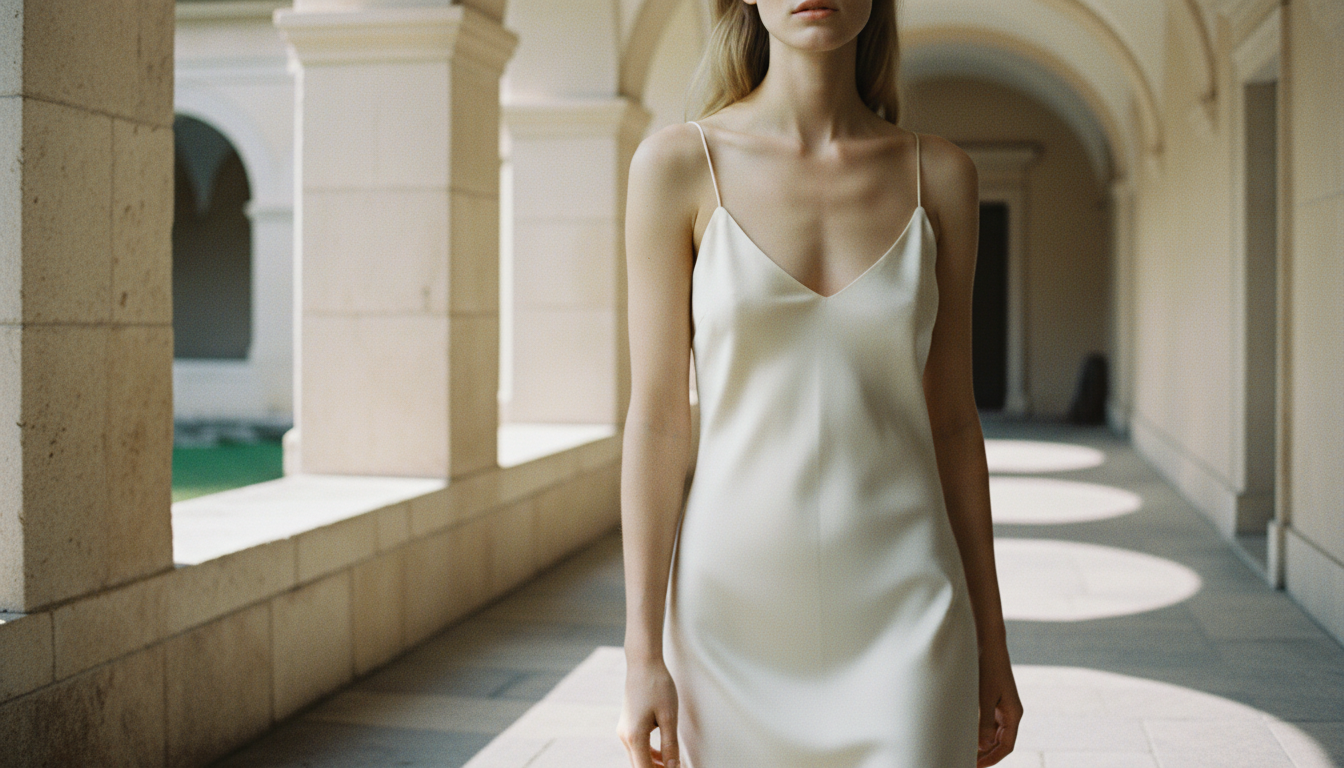
The local format is a small glass on a terrace, with a plate of cold salt-packed capers and local olives. Possibly swordfish carpaccio. At this hour, on a terrace above the black sand, with the Malvasia and the capers and the Tyrrhenian going amber around you, the evening that follows becomes something you want to be correctly dressed for. Nothing complicated. A linen or silk piece that spent the afternoon folded in a bag. The kind of evening where the detail that holds everything together is the one nobody sees. What sits beneath the fabric, secure and invisible, undisturbed by the wind coming up off the water. Medical-grade silicone covers from Korea, ultra-thin at the edge. Good for fifteen or more wears. Nothing more.
Read more on what the linen dress requires when the wind picks up after sunset.
Getting Between Islands
Liberty Lines operates the hydrofoil network and the schedules are real when the sea cooperates. Stromboli to Salina is forty minutes in flat conditions. In the shoulder season, crossings are occasionally cancelled and the local response is to have another glass of Malvasia and accept the extension. The islands are not designed for efficiency.
They are designed for an older relationship with time, one shaped by volcanic geology and the rhythms of a fishing economy. The ferry arrives when it arrives. The caper harvest begins when the buds reach the right size. The Stromboli eruption happens every twenty minutes, regardless of your plans. This is the correct orientation. Everything else follows from it.
Packed beside the linen. Designed to disappear.


