
Skindelle Stories
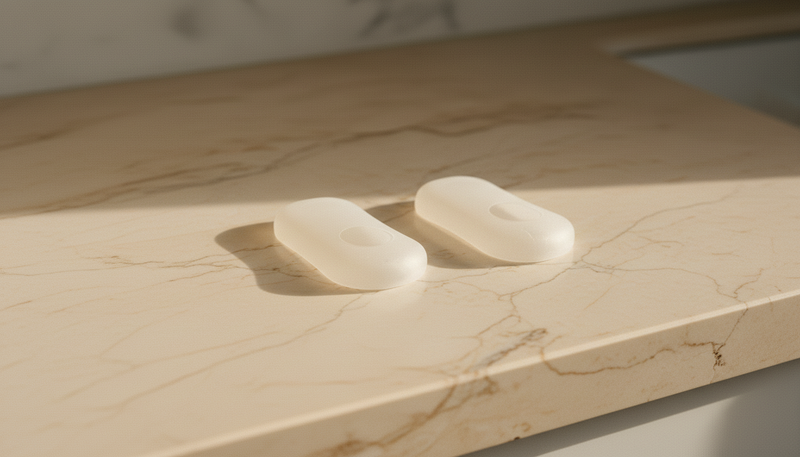
Why Your Adhesive Bra Does Not Stay: Five Real Causes
Moisturiser, skin prep, edge geometry, silicone grade, and the activation window. Five engineering reasons an adhesive bra loses hold, an...

What Hypoallergenic Actually Means
Hypoallergenic is not a regulated term. Skin-kind is. Here is the difference, why it matters for adhesive lingerie, and the questions wor...

The Difference Between Medical-Grade and Consumer-Grade Silicone
Medical-grade silicone means tested for skin contact, not just soft to the touch. Here is how to read the difference between the phrase a...

How to Apply Silicone Covers Perfectly Every Time
The short answer: clean dry skin, then a full palm press for thirty seconds. Silicone covers bond through contact, not glue, so anything ...

After 40: How Skin Changes Affect Adhesive Performance
The short answer: the covers have not changed. The skin has. Silicone covers still do the job at 45 that they did at 25. Skin that is thi...
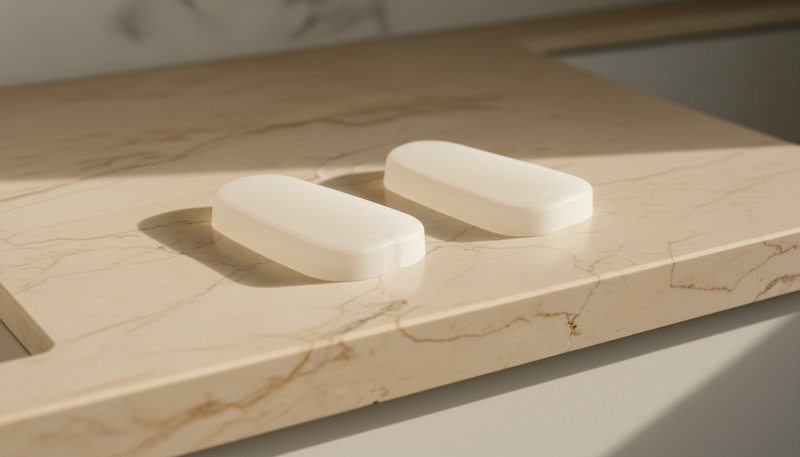
Latex-Free Products: Why It Matters More Than You Think
Latex allergy affects up to 4.3% of the population. Understanding Hev b proteins and Type I vs Type IV reactions changes how you read pro...
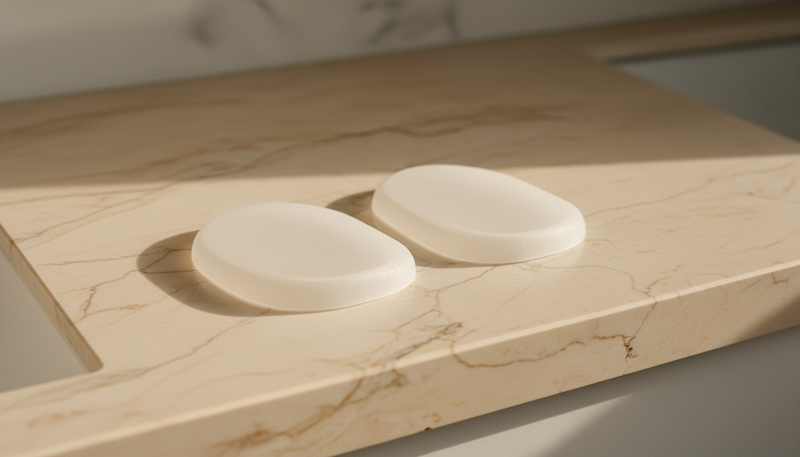
Adhesive Lingerie and Exercise: What Holds During Movement
Most adhesive products fail under sweat and movement because their chemistry was not designed for it. Here is what the physiology demands...
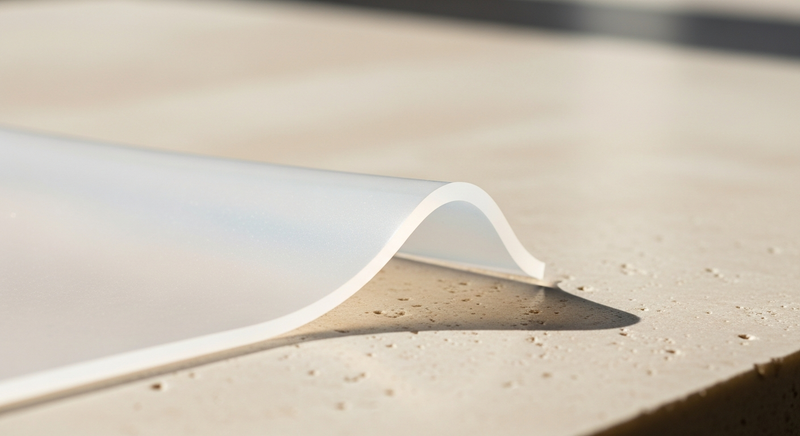
The Science of Skin-Safe Adhesives
The short answer: silicone gel, not acrylic, and the difference is what happens on removal. Acrylic tape, the chemistry behind most dispo...
How Humidity Affects Adhesive Performance
The short answer: yes, but technique cancels most of it. Humid air leaves a thin film of moisture on skin before you can feel it. That fi...